Dental Implants Calabasas CA: Recovery Milestones to Expect
Choosing dental implants is rarely a casual decision. Most people arrive at that point after living with a missing tooth, a failing bridge, a loose denture, or a tooth that can no longer be saved. By the time they sit down for an implant consultation, they usually want one thing more than anything else: a clear sense of what recovery will actually feel like.
That question matters because implant treatment is not a single afternoon event, even when the procedure itself is straightforward. Recovery has stages. Some are visible, like swelling fading or tenderness improving. Others happen quietly under the gums and inside the bone, where the implant is gradually becoming stable enough to support a final crown. If you are researching Dental Implants Calabasas CA, it helps to know what milestones are typical, what can vary, and when a symptom deserves a call to your dentist.
The good news is that most healthy patients recover more comfortably than they expected. Implant surgery sounds intimidating. In practice, many people compare the first few days to a routine extraction, sometimes easier than a difficult tooth removal. The real key is understanding the timeline so you do not mistake normal healing for a problem, or assume everything is finished before the deeper healing is complete.
Recovery starts before the implant is placed
The recovery clock begins earlier than Dental Implants Calabasas CA most patients realize. It starts with the condition of the site before surgery. A fresh extraction site behaves differently from an area that has been healed for a year. A single implant in dense bone usually recovers faster than multiple implants placed with bone grafting or sinus work. Gum health, smoking history, diabetes control, clenching, and even sleep quality can influence how the body responds.
That is why two patients can receive the same implant brand, the same type of restoration, and the same post operative instructions, yet have very different recovery experiences. A healthy nonsmoker replacing one lower premolar may have mild soreness for a day or two and resume normal routines quickly. A patient who needs an upper molar implant with a sinus lift may feel fine overall but need a longer healing window before the final tooth can be attached.
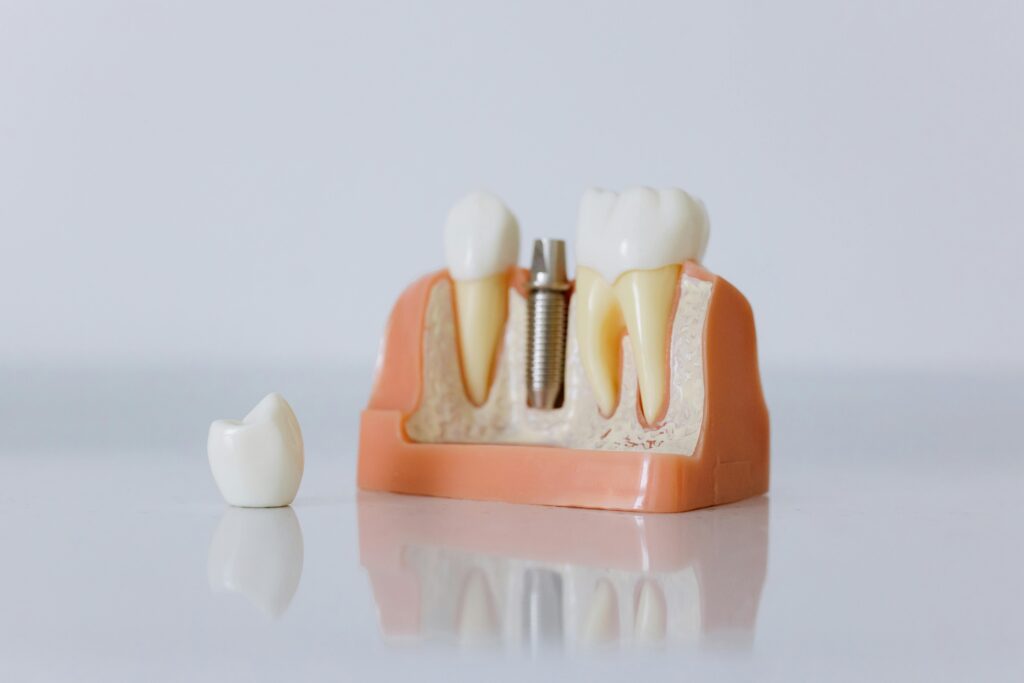
The phrase “recovery” also means different things depending on what you are asking. There is soft tissue recovery, which is the gums closing and settling. There is functional recovery, meaning when you can chew comfortably again. Then there is biologic recovery, often called osseointegration, where the implant surface bonds with the surrounding bone. That last part takes longer than most people expect, and it is the reason patience is so important.
The first 24 hours: protect the clot, manage swelling, keep things quiet
The first day is less about doing a lot and more about not disturbing the area. If your dentist has placed an implant into a well-prepared site, there is usually less trauma than patients imagine. Still, your body treats it as a surgical procedure. Some oozing, a feeling of pressure, and mild to moderate soreness are common during this window.
Numbness may linger for several hours, depending on the anesthetic used. Once it wears off, discomfort usually peaks gradually rather than all at once. This is why many clinicians encourage patients to stay ahead of pain with recommended medication instead of waiting until tenderness is intense. Ice packs can help with early swelling, especially during the first evening.
Food matters immediately. Soft, cool options are easier on the area. Yogurt, smoothies eaten with a spoon, scrambled eggs, mashed vegetables, and soup that is warm rather than hot tend to be well tolerated. Crunchy chips, seeded bread, and anything that requires aggressive chewing can irritate the site or trap debris where you do not want it.
A lot of anxiety during day one comes from seeing blood in saliva. A pink tinge is usually not alarming. Active bleeding that fills the mouth or continues despite pressure is different. Patients are often relieved to learn that what looks dramatic in the sink is frequently just a small amount of blood mixed with saliva.
Days 2 through 3: swelling often peaks here
Many people expect each hour after surgery to feel better than the last. Biology does not always cooperate. Swelling often reaches its high point around the second or third day. That can be unsettling if you felt decent on the evening of surgery and then wake up puffy the next morning. In most cases, that pattern is normal.
The mouth may feel tight. Smiling can seem awkward. If the implant is in the back of the jaw, opening wide may be less comfortable for a short time. Some bruising can show up on the gums, cheek, or even lower facial skin, particularly in patients who bruise easily or take certain medications under physician guidance. None of that automatically signals a problem.
This is also when patients start testing the limits of recovery. They feel better, so they chew on the surgical side, skip rinsing, or return to vigorous exercise too quickly. That is where setbacks happen. The tissue over an implant can look deceptively calm while still being vulnerable to irritation. Following instructions for oral hygiene and activity during these few days can make the rest of recovery smoother.
For patients looking into Dental Implants Calabasas CA, this is one of the most useful expectations to have: feeling “pretty good” is not the same thing as being fully healed. The body is doing more beneath the surface than you can see.
The first week: gums begin to settle
By the end of the first week, most patients notice a clear shift. Swelling starts to recede. Pain is usually easing rather than increasing. Speaking feels more normal. If sutures were placed, the area may feel slightly tight or itchy, which is often part of routine healing. Some sutures dissolve on their own, while others are removed at a follow up visit.
This stage is often emotionally important. Early discomfort has passed, but the implant itself may still feel unfamiliar. If a healing cap is present, the tongue tends to find it constantly. That is normal. The mouth is remarkably sensitive to small changes in shape and contour.
Chewing still deserves caution. Softer foods are still wise, especially if the implant is in an area that takes heavy bite forces. Patients who rush back into nuts, crusty bread, or steak sometimes create soreness that was otherwise fading nicely. Not every flare up means failure. Often, it simply means the site was challenged too early.
Dentists also watch the gum tissue closely during this period. Healthy tissue usually looks pinker and calmer as the week goes on. Increasing redness, a bad taste, persistent throbbing, or swelling that worsens instead of easing may need evaluation. Implant recovery should trend in the right direction. It does not need to be perfect every hour, but it should not be moving backward without explanation.
What normal healing usually looks like
Patients often ask for a plain language version of what is routine and what is not. While individual instructions always come first, the general pattern tends to be fairly consistent.
- Mild bleeding or oozing during the first day, then tapering off.
- Swelling and soreness that peak around days two to three.
- Gradual improvement in comfort over the first week.
- Gum tissue that looks calmer and feels less tender by seven to fourteen days.
- Continued internal bone healing for several weeks to several months after the mouth feels mostly normal.
That final point catches people off guard. You may feel almost back to normal long before the implant is ready for its final crown. Comfort is not the same as readiness.
Weeks 2 through 6: the quiet phase that matters most
Once the initial soreness is gone, patients sometimes assume the hard part is over. From a comfort standpoint, that is often true. From a treatment standpoint, this phase is critical. The implant is integrating with the bone. Nothing dramatic may be visible, but this is the stage that determines long term stability.
If the implant was placed with strong initial torque and excellent bone quality, your dentist may discuss earlier restoration in select cases. In other situations, especially when grafting was involved or the site had lower bone density, a longer waiting period is smarter. That is not a sign of trouble. It is often a sign of good judgment.
A common question during this stretch is whether the implant should be “felt.” Usually, an implant itself should not feel mobile. The surrounding tissue might still notice pressure or mild sensitivity if you press on the area with your tongue or chew something too firm nearby. What you should not experience is a sense that the implant is moving, a clicking sensation, or increasing pain after an initial improvement.
This is also when oral hygiene becomes more important, not less. Plaque accumulation around a healing implant can inflame the tissue before patients realize there is a problem. Gentle brushing, proper rinsing as directed, and keeping follow up appointments matter here. The goal is not just avoiding infection. It is guiding the gum tissue to heal in a shape that will support the final tooth well and stay easier to clean for years.
If you had a bone graft, expect a different rhythm
Implants do not always go into pristine, untouched bone. Quite often, the site needs support. A socket preservation graft after extraction, a contour graft for a thin ridge, or a sinus lift in the upper back jaw can all improve the long term result, but they also change the recovery timeline.
Patients with grafting frequently notice slightly more fullness, a longer period of tenderness, or tiny granules appearing in the mouth during early healing. A small amount of graft particle loss can be normal in certain cases. What matters is the amount, the timing, and the appearance of the tissue overall. Heavy graft loss, increasing pain, or opening of the gum tissue should be evaluated.
This is one of those areas where online comparisons can be misleading. Someone may say their cousin had an implant on Friday and played tennis Sunday. That may be true. It may also have been a simple lower front implant with no grafting and excellent bone. Recovery advice has to match the procedure you actually had.
The temporary tooth phase can be more demanding than patients expect
Not every implant patient leaves with a visible gap. In some cases, a temporary crown, temporary bridge, or removable flipper is used while healing takes place. These options can be excellent, but they come with their own learning curve.
A temporary tooth may look pleasing yet still be intentionally kept out of heavy biting contact. That can feel strange. Patients sometimes assume that because the tooth is there, they can use it normally. But temporary restorations often serve cosmetic and tissue shaping purposes more than full chewing function during early healing.
If a removable temporary is used, there may be pressure points, speech adjustments, or sore spots that need small refinements. That does not mean the treatment is off course. It means the mouth is adapting to a prosthetic while the implant site is healing underneath. A good temporary can make the process far more comfortable, but it is rarely perfect on day one.
The handoff to the final crown
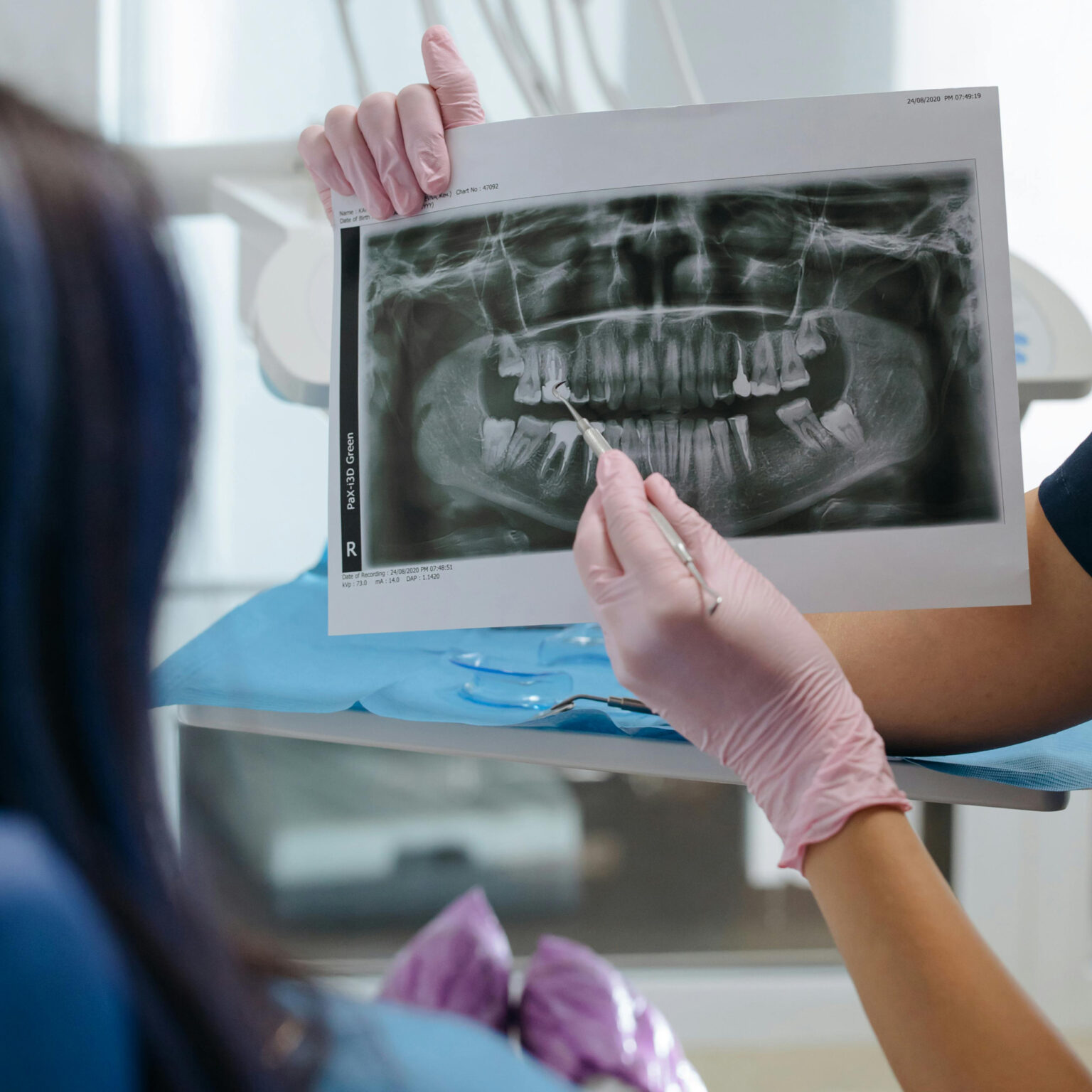
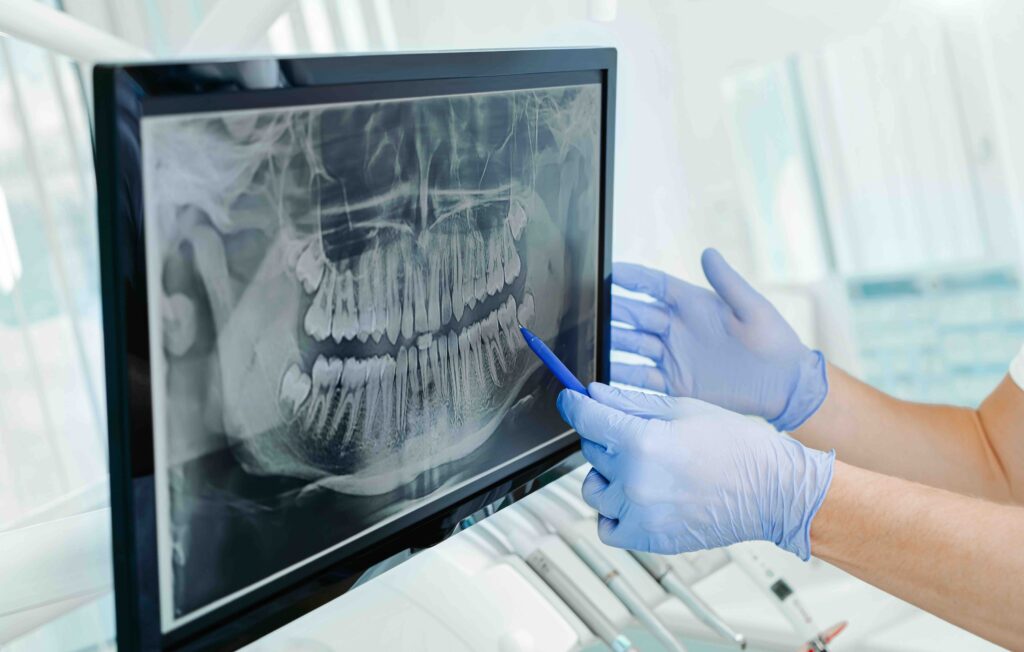
The day your dentist says the implant is ready for restoration is a major milestone, but it is not guesswork. Readiness is based on the stability of the implant, the appearance of the surrounding gums, imaging when needed, and clinical judgment. Once that threshold is reached, impressions or digital scans can be taken for the final crown.
This stage is exciting because it feels like the treatment is becoming visible and practical again. It is also the point where details matter. The fit of the crown, the bite, the shape of the contact with neighboring teeth, and the way the gum tissue frames the restoration all affect how natural the implant feels. A well integrated implant with a poorly adjusted bite can become sore. A beautiful crown that traps food is not a success in real life.
Patients often underestimate how much bite refinement matters. The implant does not have the same shock absorbing ligament that a natural tooth has. That means force distribution matters even more. Tiny adjustments can make a noticeable difference in comfort, especially for patients who clench or grind.
When to call your dentist sooner rather than later
Most recovery concerns end up being normal healing, but a few patterns deserve prompt attention. It is better to ask early than to hope for the best while a small issue becomes a bigger one.
- Bleeding that remains heavy or restarts significantly after the first day
- Swelling that keeps increasing after day three or is paired with fever
- Bad taste, pus, or a strong odor coming from the site
- A feeling that the implant or temporary restoration is loose
- Pain that worsens after an initial period of improvement
That last point is especially important. Implant discomfort usually follows a downward trend. A sudden reversal should not be ignored.
Lifestyle factors that can speed healing or slow it down
Recovery is not just about the surgical appointment. It is also about what the patient brings to the process. Smoking is one of the most consistent risk factors for impaired healing and implant complications. That does not mean every smoker loses implants, but it does mean the odds are less favorable, particularly when grafting or multiple implants are involved.
Blood sugar control matters as well. Patients with well managed diabetes often do very well. Poorly controlled diabetes can impair soft tissue and bone healing in ways that are not obvious immediately. Night grinding can also change the equation. A patient who clenches hard during sleep may need a guard after final restoration, not because something went wrong, but because protecting the implant from chronic overload is part of long term success.
Nutrition is another underrated variable. Patients recovering on little more than coffee, soup, and skipped meals tend to feel worn down. Protein, hydration, and adequate rest are not glamorous advice, but they support healing in a measurable way. The body cannot build tissue efficiently without raw materials.
What patients in Calabasas often ask about returning to normal life
Patients considering Dental Implants Calabasas CA commonly ask less about the surgery itself and more about their schedule afterward. When can I go back to work? When can I exercise? Can I attend an event that weekend? The answer depends on the procedure, your general health, and how visible the implant site is.
For desk work, many people return within a day or two, sometimes the next day after a simple single implant. For more physically demanding jobs, an extra recovery day can be helpful, especially if lifting, bending, or heat exposure are involved. Exercise usually returns in stages. Light walking often feels fine early. High intensity workouts, heavy lifting, and hot yoga may be better postponed until your dentist says the site is stable enough.
If the implant is in a front tooth area, there can be more emotional weight around appearance. Patients naturally focus on how the temporary looks when they smile, whether speech changes, and whether the gum line will match the neighboring teeth. These are valid concerns. The front of the mouth is where planning and patience matter most. The best cosmetic result may require more time, not less.
The long view matters more than the fast view
One of the healthiest mindsets during implant recovery is to judge progress over weeks, not hours. Minor ups and downs are common. One day the area feels nearly forgotten, the next day a crunchy meal irritates it. That does not automatically mean something is wrong. What matters is the larger pattern.
Well managed implant recovery usually has a clear arc. Early tenderness gives way to increasing comfort. Soft tissue matures. The implant remains stable. The final crown is placed only when the foundation is ready, not when the calendar becomes convenient. That approach can feel slow when you are eager to be finished, but it is often the reason the result lasts.
Dental implants are appealing because they can restore chewing strength, support facial confidence, and help preserve bone in a way removable options do not. But those benefits depend on respecting the healing process. The milestone that matters most is not just getting through surgery. It is arriving at a final restoration that feels steady, functional, and easy to live with.
For anyone exploring Dental Implants Calabasas CA, that is the expectation worth carrying into treatment: the first week is about comfort, the next several weeks or months are about biology, and the best outcomes come from giving both the time they need.
Oaks Dental
5000 Parkway Calabasas, Suite 308
Calabasas, CA 91302, United States
Phone: +1 (818) 412-8349
FAQ About Dental Implants Calabasas CA
How much does a dental implant cost in California?
Costs vary with the number of teeth replaced, restoration type, imaging, and any extractions or bone grafting. Request an itemized estimate after an examination; a single advertised price may not include every treatment stage.
Can people with autoimmune disease get dental implants?
Some people may qualify, but the condition, medications, oral health, and healing risks require individual assessment. Share your medical history with your dentist, who may coordinate with your treating physician.
Can you have dental implants if you have osteopenia?
Osteopenia does not by itself establish whether implants are suitable. Your dentist must evaluate jawbone support and review bone-related medications and other risks before recommending treatment.
Corrections
Spot something wrong? Send it to the desk and it gets fixed in the open.