How Dental Implants in Calabasas CA Restore Everyday Comfort
Missing teeth rarely stay a cosmetic issue for long. What starts as a gap in a smile often becomes a daily nuisance, then a functional problem, then a source of low-grade stress that follows people through meals, conversations, and even quiet moments at home. Patients usually describe it in practical terms. Food gets trapped. Chewing shifts to one side. A denture slips during lunch with friends. Certain words do not come out as cleanly as they used to. The discomfort is not always dramatic, but it is persistent.
That is where dental implants can make a real difference. For many adults, especially those who want a stable, long-term replacement for a missing tooth or several missing teeth, implants restore more than appearance. They restore routine. The simple acts of biting into a sandwich, speaking without self-consciousness, and waking up without gum soreness become normal again.
In a place like Calabasas, where people often balance demanding work schedules, family life, and active social calendars, that kind of reliability matters. Patients looking into Dental Implants Calabasas CA are not usually chasing a trend. They are trying to solve a concrete problem and regain comfort that feels natural.
Everyday comfort is more complex than people expect
When dentists talk about comfort, patients sometimes assume the conversation is only about pain. In practice, comfort is broader. It includes how evenly a person can chew, whether the jaw feels strained at the end of the day, how the tongue interacts with the teeth while speaking, and whether the gums feel irritated by a removable appliance.
Natural teeth do an astonishing amount of work without drawing attention to themselves. Each tooth has a root anchored in bone, which helps distribute pressure when you bite and chew. When a tooth is lost, that system changes. Nearby teeth can shift. The opposing tooth may begin to over-erupt slightly over time. A person may unconsciously avoid chewing in one area, which places more load elsewhere. None of these changes happen because someone is careless. They are predictable consequences of a missing structure.
Dental implants are designed to replace that missing foundation. A small titanium implant is placed in the jawbone, where it integrates with the bone over time. Once healed, it can support a crown, bridge, or denture depending on the case. The important point for day-to-day comfort is that the implant is fixed and stable. It does not rely on suction, adhesives, or neighboring teeth for support in the same way other options might.
That stability changes how a person experiences ordinary tasks. Many patients notice it first at meals. They stop planning around soft foods. They stop cutting everything into smaller pieces than necessary. They stop thinking about whether a tooth replacement will move Dental Implants Calabasas CA when they laugh or talk.
Why a fixed solution feels different
People who have lived with a missing tooth for months or years often adapt in ways they barely notice. They chew on the left side because the right feels unreliable. They smile with their lips closed. They avoid crusty bread, apples, steak, or nuts. If they wear a removable partial or full denture, they may carry adhesive in a bag or pocket just in case.
The shift to implants can feel substantial because a fixed restoration behaves more like a natural part of the mouth. Not identical, because no replacement matches a healthy natural tooth in every respect, but much closer than many patients expect.
A single implant crown does not come out at night. An implant-supported bridge does not hook around adjacent teeth with visible clasps. An implant-supported denture can offer far more security than a conventional lower denture, which is often the most frustrating removable prosthetic because the lower arch naturally has less suction and stability.
One patient, a man in his early sixties, put it plainly after receiving implant support for his lower denture. He said the biggest difference was not at a dinner party or in a photo. It was breakfast. Before treatment, he started every morning irritated because the denture shifted while he ate eggs or toast. Afterward, breakfast became uneventful again. That may sound small, but daily comfort often returns in those quiet, repetitive moments.
The role of bone support in long-term comfort
One of the less visible benefits of implants is how they interact with the jawbone. When a natural tooth is lost, the bone in that area no longer receives the same stimulation through chewing forces. Over time, some degree of bone loss is common. The rate varies from person to person and depends on oral health, general health, smoking status, and how long the tooth has been missing.
This matters because shrinking bone can change the fit of a denture, alter facial support, and complicate future treatment. Patients may notice it as looseness, sore spots, or a collapsed feeling around the lips and cheeks. Conventional bridges can restore the visible crown portion of a tooth, but they do not replace the root within the bone.
An implant does. Once integrated, it can help preserve bone in the area by transmitting forces into the jaw in a more natural way. That does not guarantee zero change over a lifetime, and it does not eliminate the need for maintenance, but it often contributes to a more stable foundation. From a comfort standpoint, that foundation matters as much as the visible crown on top.
Chewing confidence is not vanity
There is sometimes an assumption that dental implants are mostly about aesthetics. Appearance is part of the equation, of course. If someone has a missing front tooth, appearance may be the reason they make the first call. Yet after treatment, the praise patients give most often is functional. They can eat what they want. They forget which tooth was replaced. They stop worrying.
Chewing confidence affects nutrition more than many people realize. When certain foods become inconvenient or uncomfortable, people often stop buying them. Raw vegetables, fibrous meats, nuts, and fresh fruit are common examples. Over time, the diet narrows. Some patients compensate well, but others drift toward softer, more processed foods because they are easier to manage.
Restoring a stable bite can widen those options again. Dentists have to be careful not to overpromise, because every mouth is different. Someone with one implant replacing one tooth has a different experience from someone rehabilitating a full arch after years of tooth loss. Still, in well-planned cases, improved chewing efficiency is one of the clearest practical benefits.
Speech and social ease often improve with stability
Teeth play an important role in speech, especially for sounds that depend on precise tongue and lip contact. Missing front teeth can alter airflow and pronunciation. Loose dentures can introduce clicking, slipping, or subtle distortions that make a speaker feel distracted.
That emotional side matters. A person who is worried about a denture shifting often changes how they speak. They may slow down, avoid projecting their voice, or cover their mouth while laughing. In social settings, that vigilance is tiring.
Implants can reduce that mental load because the restoration is anchored in place. Patients frequently describe a sense of relief as much as a physical improvement. They do not need to monitor the prosthetic every minute. They can focus on the conversation instead of the mechanics of their teeth.
For professionals who speak often, whether in meetings, presentations, or client-facing roles, this benefit is not trivial. Comfort in speech affects confidence, and confidence affects performance.
What treatment actually looks like in real life
A lot of anxiety around implants comes from not knowing what the process involves. The broad outline is straightforward, though the details vary according to bone levels, gum health, and the number of teeth being replaced.
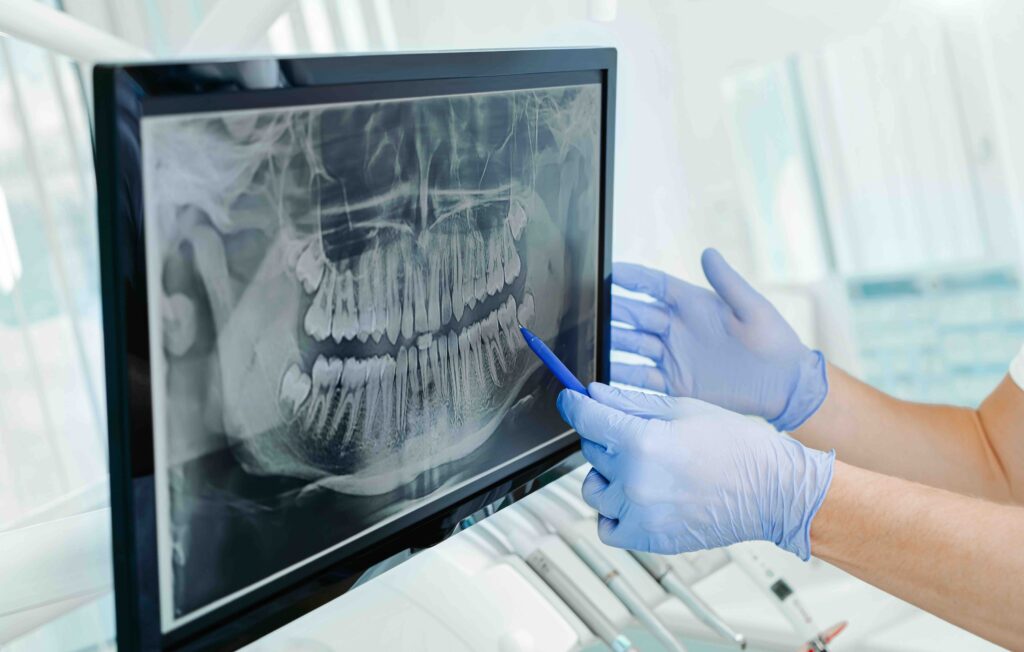
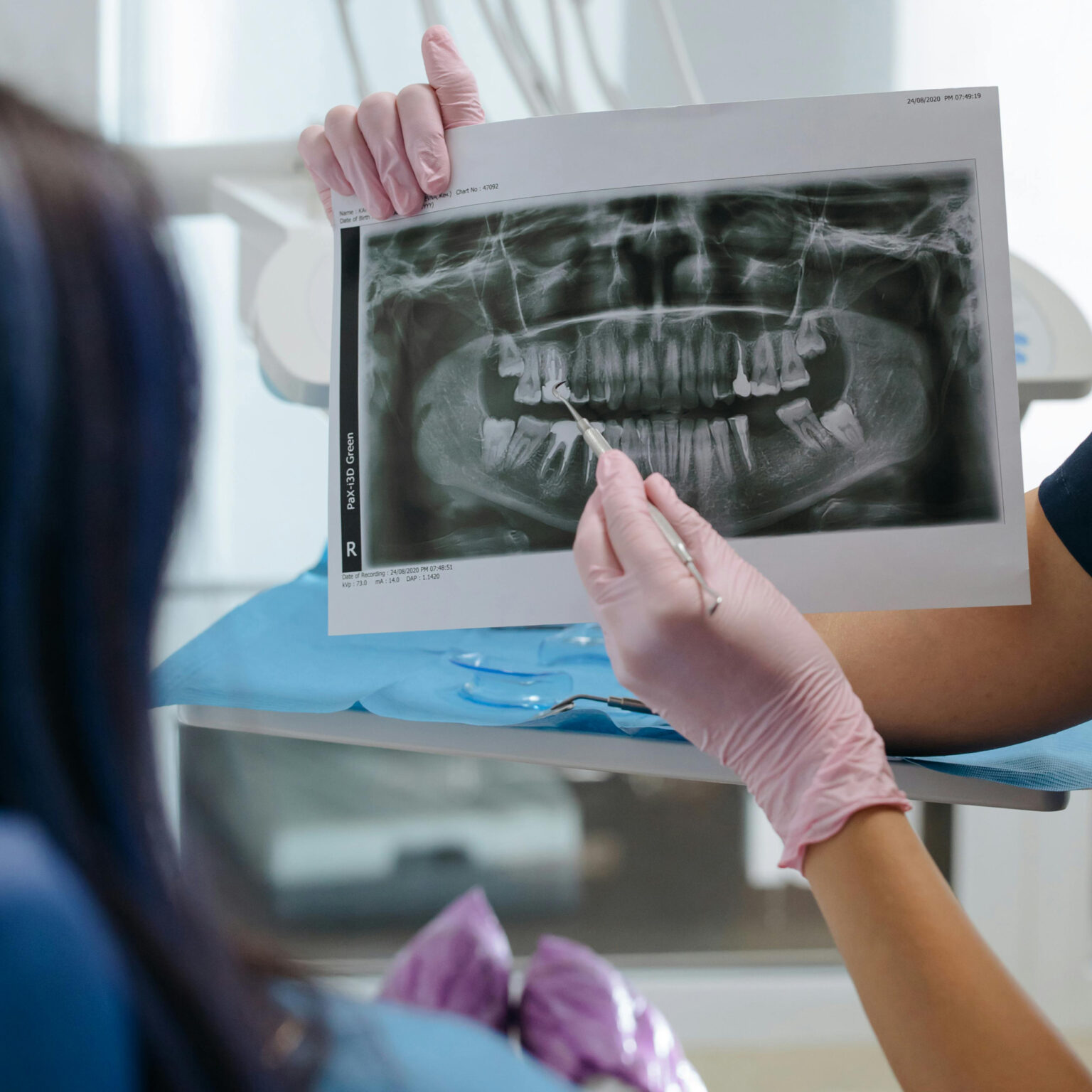
Most treatment begins with a clinical exam, digital imaging, and a careful review of health history. This is where good planning separates routine cases from avoidable complications. The dentist assesses bone volume, bite forces, spacing, gum condition, and habits like clenching or smoking. If a tooth still needs extraction, the timing of implant placement has to be considered. Some cases allow immediate placement, while others benefit from a healing period first.
Healing is not instant. After placement, the implant needs time to integrate with the bone. Depending on the case, that may take a few months. Temporary solutions are often used during that period so the patient is not left without a tooth or with an unacceptable cosmetic gap. Once integration is confirmed, the final restoration is fabricated and attached.
The pace can frustrate patients who want everything done immediately, but rushed dentistry tends to be expensive dentistry later. In my experience, people are usually happiest when the planning is honest from the start. They do better when they understand not only the ideal scenario, but also the variables that can lengthen treatment, such as bone grafting or delayed healing.
Not every case is simple, and that is normal
The best implant consultations are clear-eyed. They acknowledge benefits without pretending every mouth follows the same path.
Some patients have plenty of bone and healthy gums, making them good candidates for relatively straightforward treatment. Others arrive after years of missing teeth, advanced gum disease, fractured teeth, or failing dental work. In those cases, implants may still be a strong option, but more groundwork is needed. That can include periodontal therapy, extractions, bone grafting, sinus augmentation in the upper back jaw, or bite stabilization before the implant phase even begins.
There are also medical considerations. Diabetes that is poorly controlled, heavy smoking, untreated gum disease, and certain medications can affect healing or long-term success. None of this means implants are off the table automatically. It means the treatment team has to evaluate risk honestly and tailor the plan accordingly.
That judgment is especially important when patients search for Dental Implants Calabasas CA and compare offices. The right provider does not simply say yes to treatment. The right provider explains whether the case is routine, moderately complex, or advanced, and why.
Comfort after surgery versus comfort after healing
A common concern is whether implant placement hurts. During the procedure, patients are typically numb, and many do well with local anesthesia alone. Some choose sedation depending on the scope of treatment and their anxiety level. Afterward, discomfort is usually manageable, often less dramatic than patients fear, especially for a single implant. That said, there is still surgery involved. Soreness, swelling, and temporary diet changes are part of the process.
This is an area where realistic expectations help. There is a short-term recovery period in exchange for the possibility of long-term stability. Most people understand that trade-off once it is framed clearly. They are not looking for zero inconvenience. They are looking for a worthwhile result.
What often surprises patients is how different the final comfort feels once healing is complete. Temporary soreness fades. The restoration becomes part of their routine. They stop noticing it, and in dentistry that is often the best possible outcome.
Implant-supported dentures can be life-changing
While single-tooth implants get a lot of attention, some of the most dramatic comfort gains happen with implant-supported dentures. Traditional full dentures can work well for certain patients, especially on the upper arch where suction is stronger. Lower dentures are another story. Movement, rubbing, and poor retention are common complaints.
A lower denture secured by implants can make a striking difference in stability and chewing function. Even a modest number of implants can improve retention significantly. Patients often report less gum irritation, more confidence when eating in public, and less dependence on adhesives.
This does not mean every person needs a full fixed bridge that never comes out. For some, a removable overdenture that snaps onto implants offers an excellent balance of cost, maintenance, and comfort. For others, a fixed full-arch option makes more sense. The best choice depends on dexterity, budget, anatomy, hygiene habits, and personal preference.
That last point is important. The most sophisticated treatment is not always the best treatment. The best treatment is the one a patient can maintain successfully over time.
Maintenance is part of the bargain
Implants do not get cavities, but they are not maintenance-free. The surrounding gums and bone still need protection. Plaque can accumulate around implants just as it can around natural teeth, and inflammation around implants can become serious if neglected.
Patients considering implants should expect a long-term hygiene commitment. That includes home care and regular professional maintenance. The exact tools may vary, but the principle is simple: a beautiful restoration fails early if the tissues around it are not kept healthy.
A few habits matter more than others:
- Brush thoroughly at the gumline every day.
- Clean between teeth or under implant restorations with the tools your dentist recommends.
- Keep recall visits and professional maintenance appointments.
- Address clenching, grinding, or broken appliances promptly.
- Avoid smoking if possible, especially during healing and long term.
Those habits may sound basic, but they often determine whether an implant remains comfortable and stable for many years.
Choosing the right treatment plan in Calabasas
The phrase Dental Implants Calabasas CA can mean very different things depending on the patient. For one person, it means replacing a single molar that cracked beyond repair. For another, it means stabilizing a lower denture that has become nearly unwearable. For someone else, it means rebuilding function after multiple failing teeth.
A careful consultation should sort through several questions at once. What is missing now, and what is likely to fail next if nothing changes? Is the bite stable? How healthy are the gums? How much bone is available? Does the patient want the shortest treatment timeline, the lowest maintenance burden, the most natural feel, or the most budget-conscious path? Those priorities do not always point to the same solution.
This is where professional judgment matters more than marketing language. A strong implant plan fits the biology, the mechanics, and the patient’s real life. It accounts for maintenance, not just placement. It also respects budget without pretending that all lower-cost options deliver the same long-term experience.
Who tends to be happiest with implants
There is no perfect patient, but certain patterns show up again and again. People tend to be happiest with implants when they value stability, are willing to maintain their oral health, and want a solution that feels integrated into normal life rather than removable or provisional.
They also do well when they understand the timeline. Implant dentistry rewards patience. The process can involve multiple stages, and occasionally a detour if healing is slower than expected. Patients who approach treatment as a long-term investment rather than a quick fix are usually the most satisfied.
Another factor is alignment between expectations and anatomy. If the bone and gums support a highly aesthetic result, great. If the Dental Implants Calabasas CA tissues have been compromised by years of disease or tooth loss, the result can still be functional and attractive, but the plan may need compromise. Honest conversations early on prevent disappointment later.
The quiet return of normal
The real success of dental implants is rarely dramatic after the first few weeks. It shows up as the absence of friction. No shifting while chewing. No sore ridge under a denture. No gap that catches the tongue. No second thought before smiling for a photo or ordering from a menu.
That is why the phrase everyday comfort fits so well. The value of implants is not confined to one reveal moment in the dental chair. It lives in ordinary routines. A business lunch without worry. A family dinner without cutting everything into tiny pieces. A conversation without guarding the mouth. A morning where teeth feel dependable again.
For patients exploring Dental Implants Calabasas CA, that is the real promise when treatment is planned well and maintained properly. Not perfection. Not hype. Just the return of ease, function, and confidence in the small daily acts that make life feel normal.
Oaks Dental
5000 Parkway Calabasas, Suite 308
Calabasas, CA 91302, United States
Phone: +1 (818) 412-8349
FAQ About Dental Implants Calabasas CA
How much does a dental implant cost in California?
Costs vary with the number of teeth replaced, restoration type, imaging, and any extractions or bone grafting. Request an itemized estimate after an examination; a single advertised price may not include every treatment stage.
Can people with autoimmune disease get dental implants?
Some people may qualify, but the condition, medications, oral health, and healing risks require individual assessment. Share your medical history with your dentist, who may coordinate with your treating physician.
Can you have dental implants if you have osteopenia?
Osteopenia does not by itself establish whether implants are suitable. Your dentist must evaluate jawbone support and review bone-related medications and other risks before recommending treatment.
Corrections
Spot something wrong? Send it to the desk and it gets fixed in the open.