The Science Behind Successful Dental Implants
A dental implant looks deceptively simple once treatment is finished. A patient sees a tooth that feels stable, chews comfortably, and blends into the smile. Under that restoration, though, sits one of the most carefully engineered interfaces in clinical medicine: a manufactured material placed into living bone, expected to function under thousands of chewing cycles every day, often for decades.
That outcome does not happen because an implant is merely inserted into the jaw. It happens when biology, mechanics, surgical judgment, and restorative planning all line up. In practice, successful dental implants are rarely the product of a single excellent step. They are the result of many small decisions made well, from the first scan to the final bite adjustment.
Patients often assume the implant itself is the star. In reality, the body does most of the important work. The implant provides the scaffold. Bone and soft tissue determine whether the result will be durable.
What “success” really means in implant dentistry
When clinicians talk about success, they are not only asking whether an implant is still present in the mouth. Survival and success are different things. An implant can survive while still causing problems, such as chronic inflammation, gum recession, food trapping, or an uncomfortable bite.
A successful implant typically has several features at once. It remains stable in bone, shows no persistent pain, supports healthy surrounding gum tissue, allows the patient to chew effectively, and carries a restoration that can be cleaned and maintained. Radiographs should show stable bone levels over time, allowing for some normal remodeling after placement and loading. From the patient’s perspective, success also includes confidence. The tooth should not feel like a delicate appliance that demands constant worry.
This broader definition matters because implant treatment is not only surgery. It is rehabilitation. A technically integrated implant that is poorly positioned can create years of hygiene difficulty and esthetic compromise. I have seen cases where the fixture itself was solid, yet the crown emerged at an awkward angle, trapped plaque, and irritated the tissue every week. The science was sound at one level, but the treatment fell short because the plan did not account for the mouth as a functioning system.
Osseointegration, the biological foundation
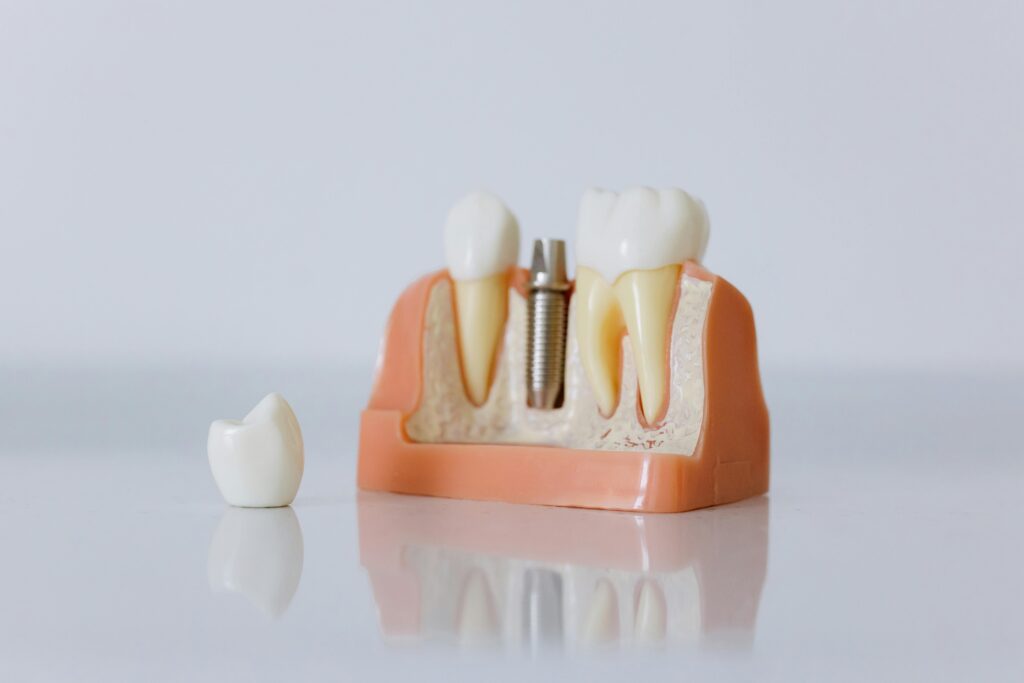
The most important scientific principle behind dental implants is osseointegration. That term refers to a direct connection between living bone and the implant surface, without an intervening layer of soft tissue. In plain terms, the body accepts the implant and anchors it by building bone tightly against it.
Modern implants are usually made from titanium or titanium alloys because titanium has a remarkable ability to support this response. The material forms a stable oxide layer on its surface, which helps with biocompatibility. Bone cells can attach and mature along that surface, and over time the implant becomes mechanically and biologically integrated into the jaw.
This process is not instantaneous. Right after placement, what keeps the implant stable is primary stability, meaning the mechanical fit between the implant and the prepared bone. Over the following weeks, the body remodels bone around the implant. During that interval, some initial mechanical stability may decrease before biological stability builds. That is one reason timing matters so much. If excessive force is applied too early in the wrong situation, the healing interface can be disrupted.
Healing time varies with bone quality, implant design, surgical technique, and whether grafting was needed. In denser lower jaw bone, integration can often proceed more predictably than in softer upper jaw bone, particularly in the posterior maxilla where bone density is commonly lower. That does not mean upper implants fail routinely, only that the margin for error can be narrower.
The most successful clinicians respect this biology. They do not force speed where the tissues are asking for patience.
Bone is not all the same
One of the most misunderstood aspects of implant dentistry is the quality of the bone itself. Patients may hear that “you have enough bone” and assume that is the whole story. Quantity matters, but quality matters just as much.
The front part of the lower jaw often contains dense cortical bone that provides excellent mechanical engagement. By contrast, the back part of the upper jaw may have more porous cancellous bone and may sit close to the maxillary sinus, limiting available height. Those differences affect drilling protocols, implant dimensions, insertion torque, healing expectations, and decisions about immediate loading.
A short implant in dense bone may perform beautifully. A longer implant in poor-quality bone may be less stable at placement. The old instinct that bigger always means better does not hold up clinically. What matters is matching the implant and technique to the site.
Bone also changes after tooth loss. When a tooth is removed, the surrounding alveolar ridge begins to resorb. The greatest dimensional changes often happen in the first several months. That is why timing after extraction influences treatment options. If the site is treated promptly, ridge preservation or immediate implant placement may help reduce collapse in selected cases. If treatment is delayed for years, grafting may be needed to rebuild width or height before ideal implant placement becomes possible.
Why implant position matters more than many patients realize
A stable implant placed in the wrong location can create a permanent restorative problem. That is why modern implant planning often starts with the final tooth, not the bone alone. The implant should support the restoration, not force the restoration to compensate for poor positioning.
The key variables are mesiodistal spacing, depth, angulation, and facial-palatal or buccal-lingual position. If an implant is too far facially in the esthetic zone, the gum may recede and expose metal or create a long-looking crown. If it is too deep, restoration becomes harder and tissue health may suffer. If adjacent roots are too close, the surgeon may be forced into a compromise position that weakens the esthetic and hygienic result.
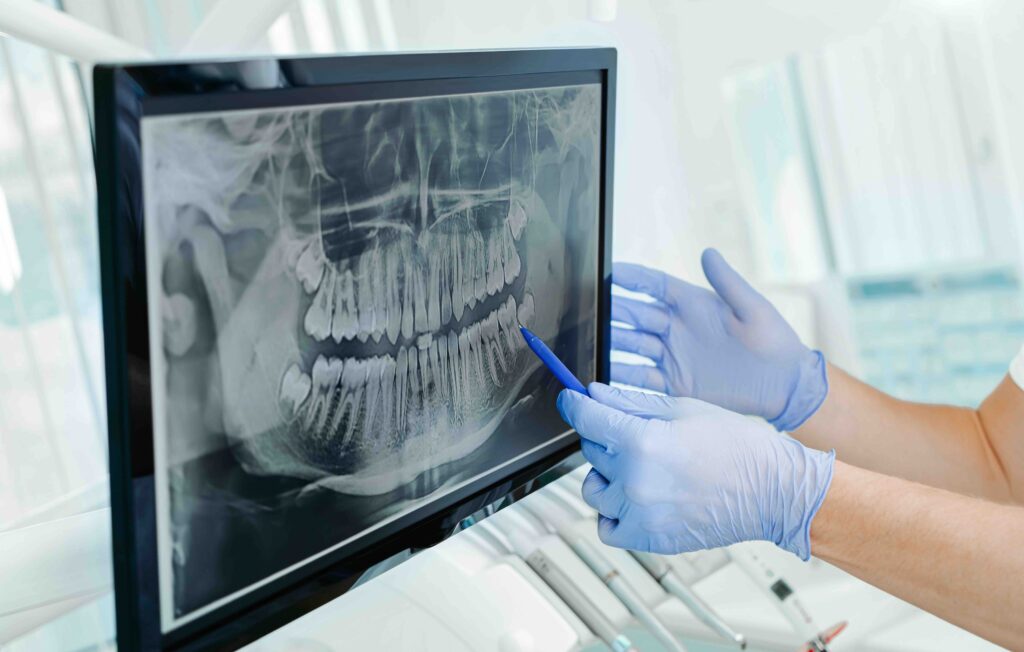
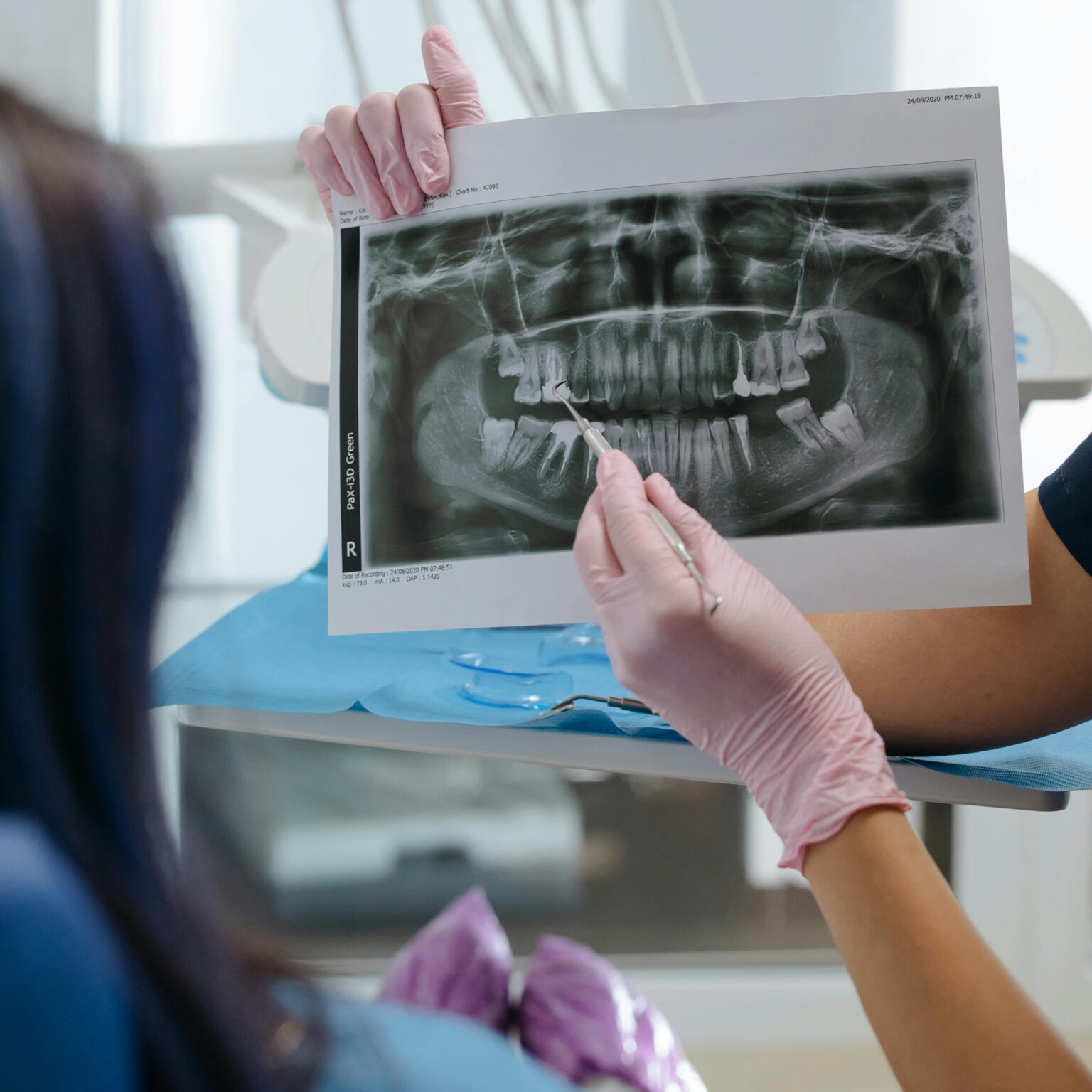
Digital planning has improved this dramatically. Cone beam CT scans reveal bone dimensions and vital structures in three dimensions, while intraoral scans show the shape of teeth and soft tissue. When these datasets are combined, the clinician can plan the implant in relation to the future crown rather than using freehand intuition alone. Guided surgery can help transfer that plan accurately, though the guide is only as good as the diagnosis behind it.
Technology does not replace judgment. It sharpens it when used well.
Surface engineering and the microscopic battle for healing
The surface of an implant is not smooth in the way a patient might imagine. Most modern implants have microtextured or moderately roughened surfaces designed to increase surface area and improve bone response. The goal is not roughness for its own sake, but a texture that encourages attachment and maturation of bone at the interface.
Over the years, manufacturers have used methods such as blasting, acid etching, anodization, and proprietary surface treatments to influence Dental Implants healing behavior. While marketing language can become extravagant, the underlying principle is legitimate. Surface topography affects how proteins adsorb, how cells attach, and how new bone forms.
Still, no surface treatment can rescue poor case selection, uncontrolled infection, or excessive load. I have seen sites with excellent modern implants fail because the patient clenched heavily on a provisional crown, or because plaque control around the healing abutment was neglected. The surface helped, but biology was overruled by behavior and force.
Primary stability and the physics of the first few weeks
The initial mechanical stability of a dental implant depends on several factors: bone density, implant geometry, surgical preparation, and insertion technique. Tapered implants may achieve strong engagement in softer bone. In dense bone, by contrast, over-compression can be counterproductive and may impair blood supply if the site is prepared too tightly.
Clinicians often discuss insertion torque and implant stability quotient values, but these numbers should be interpreted in context. A high torque reading can be reassuring for immediate provisionalization in the right case. It is not, by itself, proof of long-term success. Stability must be balanced with biologic respect. Bone that is overheated, crushed, or deprived of vascular support does not heal optimally.
This is where surgical technique becomes science in action. Bone is sensitive to thermal injury. During osteotomy preparation, sharp drills, copious irrigation, controlled speed, and disciplined pressure all matter. Once temperatures rise beyond safe thresholds for long enough, bone vitality can be compromised. Most patients never think about drill sharpness or irrigation volume, but these details often separate elegant healing from avoidable complications.
The soft tissue seal is not cosmetic fluff
Much attention goes to bone, yet the gum tissue around implants plays a protective role that is easy to underestimate. Natural teeth have a periodontal ligament and connective tissue fiber arrangement that implants do not replicate exactly. Around implants, the soft tissue barrier is different and in some ways more vulnerable.
Thick, healthy keratinized tissue generally makes hygiene easier and may improve patient comfort during brushing. A well-shaped emergence profile can support a stable tissue contour. Thin tissue biotypes are more prone to recession and may reveal underlying titanium shadows, especially in the front of the mouth.
When an implant crown looks artificial at the gumline, the problem often began long before the crown was delivered. It may trace back to extraction trauma, facial bone loss, implant position, soft tissue deficiency, or poorly managed temporization. In anterior cases, provisional restorations are often used to sculpt tissue gradually, teaching the gum how to frame the final crown. That part of treatment requires patience and communication, because beautiful tissue architecture is rarely rushed into existence.
Loading, bite forces, and why occlusion still matters
An implant is ankylosed to bone. A natural tooth is suspended by a periodontal ligament, which gives it a small degree of movement and shock absorption. Because implants lack that ligament, they respond differently to force.
That difference has practical consequences. Bite forces need to be distributed intelligently. A crown that contacts too heavily, especially in lateral movements or parafunctional habits like clenching and grinding, can overload the implant or the restoration components. Sometimes the implant remains integrated but the screw loosens, porcelain chips, or the crown fractures. In other cases, bone loss develops gradually under chronic overload, often in combination with inflammation.
Posterior implants routinely experience significant force. Molar replacement is common and often very successful, but it requires attention to crown width, cusp shape, implant diameter, and the number of implants when multiple teeth are missing. Long-span Dental Implants cantilevers deserve particular caution. They can look acceptable on a model while behaving poorly under years of function.
A simple but clinically important truth is that implants do not forgive a bad bite the way natural teeth sometimes do.
The role of bacteria and peri-implant disease
The same oral bacteria that contribute to gum disease can also threaten dental implants. Plaque accumulation around an implant may begin with peri-implant mucositis, an inflammatory condition limited to the soft tissue. If unmanaged, it can progress to peri-implantitis, where inflammation is associated with supporting bone loss.
This is one of the most important long-term scientific realities patients should understand. Implants do not decay, but they absolutely can fail biologically. A patient who receives several implants and assumes they are maintenance-free is heading toward trouble.
Common contributors include inconsistent home care, excess cement around restorations, poor prosthetic contours that trap plaque, smoking, uncontrolled diabetes, and a history of periodontal disease. That last factor deserves emphasis. Patients who have lost teeth because of severe periodontitis can still receive implants very successfully, but they are not magically reset to low risk. Their maintenance program needs to reflect their history.
Signs of trouble are often subtle at first. Bleeding on probing, increasing pocket depths, suppuration, and radiographic bone loss may develop before the patient feels pain. Regular maintenance visits matter because early intervention is far easier than late rescue.
Materials science, titanium, zirconia, and real-world trade-offs
Titanium remains the most established implant material because of its long clinical history, favorable mechanical properties, and reliable biocompatibility. It is strong, predictable, and supported by a deep body of evidence.
Zirconia implants have attracted interest, especially for patients concerned about metal or for highly specific esthetic situations. Zirconia can offer a tooth-colored alternative, but it also brings trade-offs. The restorative workflow can be more limited, long-term evidence is not as extensive as for titanium in many indications, and case selection becomes even more important. Some clinicians use zirconia with excellent results, yet titanium remains the benchmark for most routine implant therapy.
The same principle applies to abutments and crowns. Material choice depends on location, esthetic demand, load, available space, and how the components interact as a system. A beautiful translucent crown material may not be the best choice if the patient has a heavy bite and limited occlusal clearance. The science is not only about what looks good on day one, but what still works years later.
Where success starts long before surgery
Many implant failures are seeded during diagnosis, not drilling. The preoperative conversation often reveals the risk landscape more clearly than the scan alone.
The factors that deserve careful attention include:
- Smoking or nicotine use, especially heavy use during healing
- Poorly controlled diabetes or other systemic conditions that impair wound healing
- Untreated periodontal disease and inadequate plaque control
- Bruxism, which raises the mechanical burden on the implant system
- Medications or medical histories that affect bone metabolism or immune response
None of these factors automatically rules out implant treatment. They shape the plan. A patient with well-managed diabetes may heal very well. A patient who quits smoking can improve their odds significantly. A night guard may protect a heavily restored implant case from the wear patterns seen in chronic grinders. The point is not to hunt for reasons to deny treatment, but to respect risk honestly and manage it before failure teaches the lesson the hard way.
Bone grafting, sinus lifts, and rebuilding lost foundations
When bone volume is inadequate, clinicians may recommend grafting. To patients, this can sound like an unfortunate detour. Biologically, it is often the step that makes long-term success possible.
Bone grafting serves different purposes. Ridge preservation aims to limit collapse after extraction. Horizontal augmentation widens a narrow ridge. Vertical augmentation attempts to gain height, usually with greater complexity. In the upper back jaw, sinus floor elevation can create space for implant placement when the sinus has expanded and residual bone height is limited.
Not every case needs heroic reconstruction. Sometimes treatment is simplified by changing the plan, using shorter implants where evidence supports them, altering the prosthetic design, or avoiding implant placement in a site with poor cost-to-benefit value. Good implant dentistry includes knowing when not to graft and when not to chase perfection surgically.
That balance is often where experience shows. There are cases where a modest augmentation paired with a realistic restorative plan gives the patient a highly functional result with less morbidity than an ambitious rebuild.
Immediate implants and immediate teeth, fast does not mean careless
One of the most appealing developments in implant dentistry is the ability, in selected cases, to place an implant at the time of extraction and sometimes deliver a temporary tooth very quickly. When done well, this can reduce treatment time and help preserve soft tissue contours, especially in the esthetic zone.
But immediate treatment is not simply a shortcut. It demands more precision, not less. The extraction must be atraumatic. The socket anatomy must be favorable. The implant must achieve strong primary stability, and the temporary restoration must be designed to avoid harmful loading during healing. Thin facial bone, infection, bruxism, and poor tissue quality can all shift the case away from immediate protocols.
Patients tend to remember the speed. Clinicians remember the selection criteria.
The maintenance phase, where long-term winners separate themselves
Once the crown is delivered, the scientific challenge changes. The question is no longer whether the implant can integrate, but whether the patient and clinician can preserve the environment that keeps it healthy.
A practical maintenance routine usually includes:
- Daily plaque disruption with brushes, floss alternatives, or interdental aids suited to the prosthesis design
- Periodic professional reviews with radiographs when indicated, probing around implants, and evaluation of tissue health
- Occlusal checks if the patient grinds, clenches, or reports changes in the bite
- Prompt management of loosening screws, chipped restorations, or inflamed tissue before they escalate
Some implant restorations are easy to clean and maintain. Others are a daily struggle because the contours are bulky or access is poor. That is not a patient failure. It is often a design issue. One useful test in practice is simple: can the patient actually demonstrate how they clean the area, and does the prosthesis allow that method to work? If not, the design may need refinement.
What the best results tend to have in common
After enough years around implant cases, patterns become obvious. The strongest outcomes usually share a few traits: the diagnosis was thorough, the surgery was precise but not aggressive, the implant was placed prosthetically driven, the soft tissue was respected, the bite was adjusted thoughtfully, and the patient understood that implants require maintenance.
The opposite pattern is just as consistent. Problems cluster when treatment is rushed, when anatomy is ignored, when esthetics are attempted without adequate tissue support, or when postoperative reviews are treated as optional.
Dental implants are one of the most successful therapies in modern dentistry, but their success is not mysterious. The science is clear even when the cases are complex. Bone biology must be protected. Forces must be controlled. Bacteria must be managed. Design must serve both function and hygiene. Every durable implant restoration is, at its core, a negotiated peace between material science and living tissue.
When that balance is achieved, the result can be remarkably stable. Patients stop thinking about the missing tooth they once worried over. They eat, speak, smile, and get on with life. For most of them, that quiet normalcy is the real proof that the science worked.
Oaks Dental
5000 Parkway Calabasas Suite 308
Calabasas, CA 91302, United States
+1 818-431-2000
FAQ About Dental Implants
What is the downside of a dental implant?
Implants require surgery and a healing period that can last several months. Possible complications include infection, nerve or sinus injury, damage to nearby teeth and failure to bond with bone. Your dentist should assess your health, bone support and alternatives before recommending treatment.
What do dental implants typically cost?
There is no single price for every implant case. The number of teeth replaced, implant components, final restoration and any grafting or extractions affect the total. Request a written estimate covering every stage and confirm insurance benefits and out-of-pocket costs with the practice.
How long do tooth implants last?
An implant can provide long-term support and may last a lifetime with good oral hygiene and regular dental care, but this is not guaranteed. The crown or other restoration may need replacement sooner. Smoking, gum disease and some health conditions can reduce implant success.
Corrections
Spot something wrong? Send it to the desk and it gets fixed in the open.