The Step-by-Step Journey to Dental Implants in Calabasas CA
Losing a tooth changes more than a smile. It changes how a person chews, how clearly certain words come out, and often how comfortable they feel in a room full of people. I have seen patients try to work around a missing tooth for years by chewing on one side, smiling with closed lips, or postponing treatment because they assume dental implants are complicated, painful, or out of reach. In many cases, the process is more orderly and more predictable than they expected, especially when they understand each stage before it begins.
For people researching Dental Implants Calabasas CA, the real question is usually not whether implants are effective. It is how the process unfolds from the first consultation to the day the final crown is placed, and what practical issues matter along the way. Those details matter because implants are not a one-visit cosmetic purchase. They are a carefully sequenced treatment that relies on planning, healing, bone support, and precision.
A well-done implant should feel stable, look natural, and function in a way that lets the patient stop thinking about the missing tooth. That is the goal. Getting there takes several stages, and each one serves a purpose.
Why implants are often the preferred long-term option
When a tooth is missing, there are usually a few broad ways to replace it. A removable partial denture may restore appearance quickly, but it can shift, trap food, and feel bulky. A traditional bridge can look very good, but it often requires reshaping the teeth on either side of the gap, even if those teeth are otherwise healthy. An implant works differently. It replaces the root as well as the visible part of the tooth.
That distinction matters because the jawbone responds to pressure. Natural tooth roots help stimulate bone. Once a tooth is lost, the bone in that area can gradually shrink. An implant placed into the jaw helps preserve function in a way that feels closer to a natural tooth than many alternatives.
That does not mean implants are automatic for everyone. Bone quality, gum health, medical history, smoking, grinding habits, and budget all affect the conversation. Good treatment planning is never about pushing one solution for every patient. It is about matching the solution to the mouth, the timeline, and the person.
The first consultation is less dramatic than most people expect
The journey typically starts with an exam and a candid discussion, not a procedure. This first visit is where a dentist or implant specialist learns what happened, how long the tooth has been missing, whether there is pain or infection, and what the patient hopes to achieve. Some patients want the most natural fixed solution possible. Others care just as much about reducing treatment time or controlling cost.
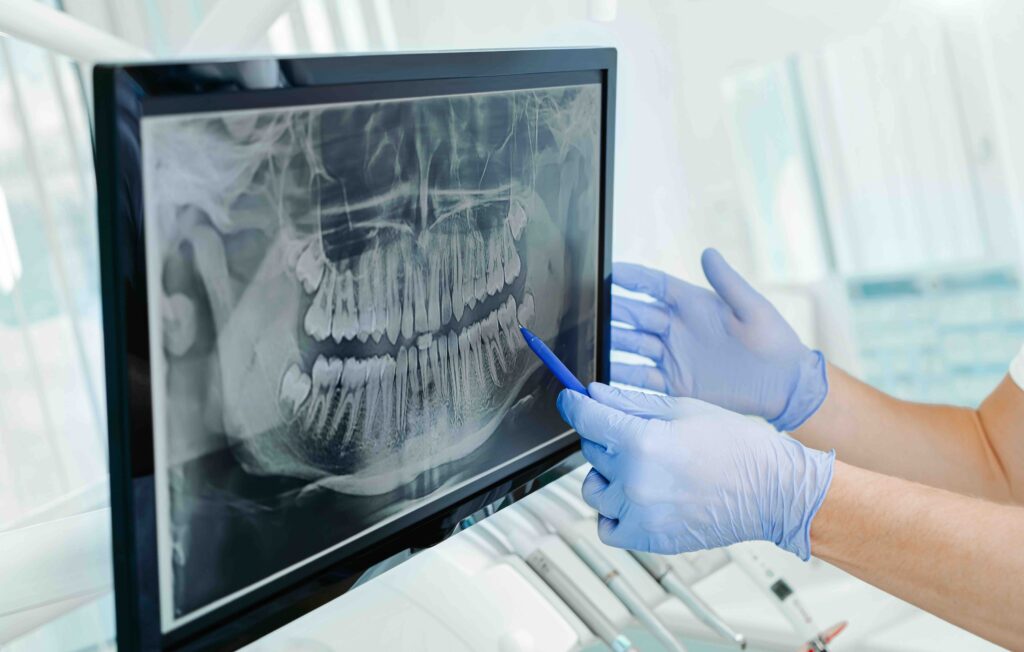
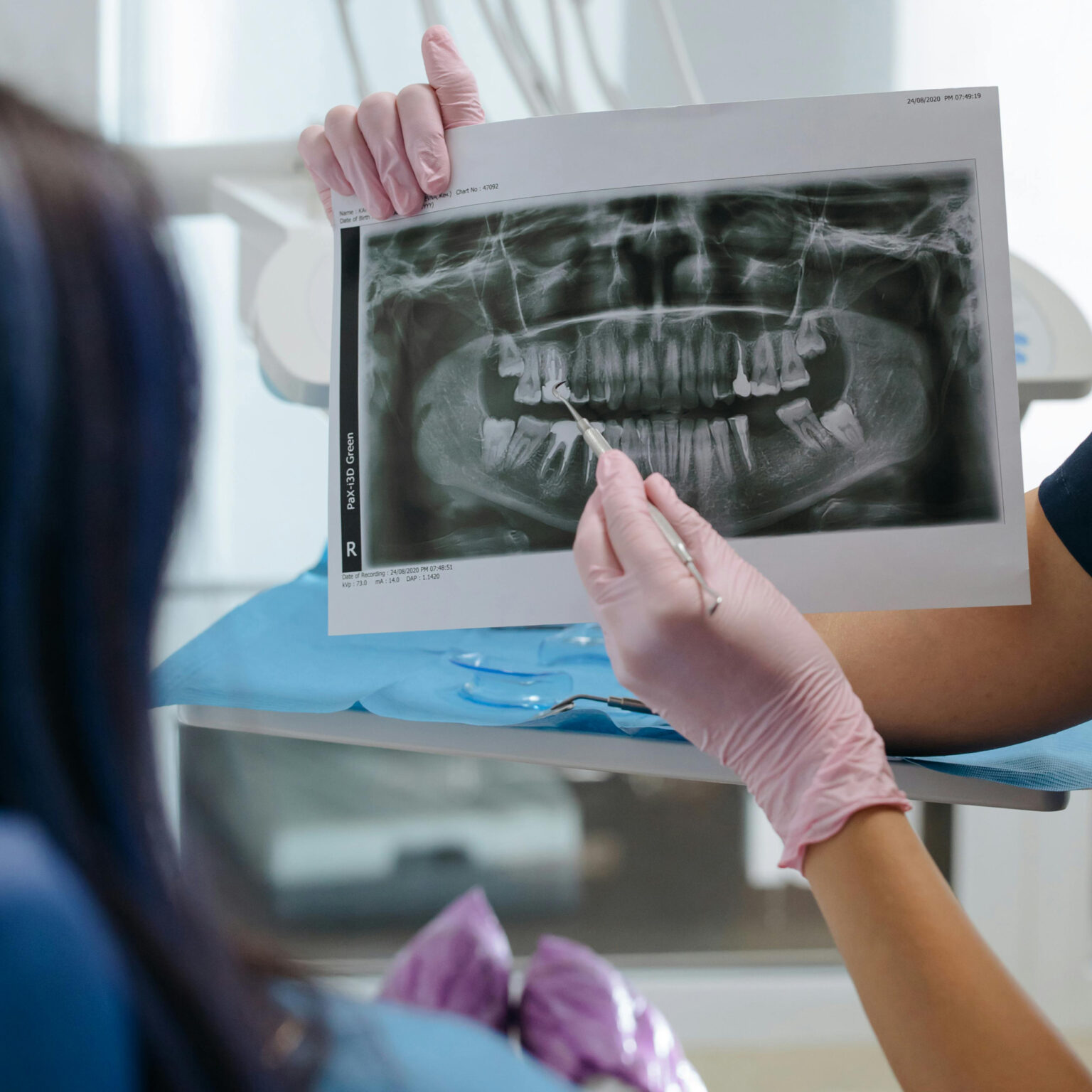
A proper implant consultation usually includes updated X-rays and often 3D imaging, especially if the case involves the back teeth, limited bone, or a site close to the sinus or nerve. A regular dental X-ray can show a lot, but a cone beam scan gives a far more detailed view of bone width, height, and nearby anatomical structures. That detail helps avoid surprises later.
This is also the stage where experienced clinicians slow the conversation down. If a patient says, “I just want the tooth replaced,” the deeper question is often whether the area is healthy enough right now to support an implant. If there is active gum disease, an untreated fracture in a neighboring tooth, or a long-standing infection, those issues have to be addressed first. Skipping that groundwork is one of the fastest ways to turn an otherwise solid case into a frustrating one.
Determining whether you are a strong candidate
Many adults are candidates for implants, but candidacy is not based on age alone. I have seen healthy older patients heal beautifully and younger patients run into delays because of heavy smoking, uncontrolled diabetes, or advanced periodontal disease. The tissues decide more than the birthday does.
The dentist is usually looking at several factors at once:
- the amount and quality of available bone
- the health of the gums around the site
- medical conditions that may affect healing
- bite forces, including clenching or grinding
- the patient’s ability to maintain oral hygiene over time
These points are interconnected. A patient may have slightly reduced bone volume but excellent overall health and very good hygiene, which can make treatment straightforward with minor site preparation. Another patient may have enough bone on the scan, but poor gum health and inconsistent home care, which makes the implant a riskier investment until those issues are brought under control.
This is also where expectations are clarified. Not every implant can be placed immediately. Not every case can skip grafting. Not every front tooth case can guarantee perfect symmetry with the natural tooth next to it, because soft tissue and bone contours vary. Honest planning at the start usually leads to better satisfaction than overly optimistic promises.
When a damaged tooth must come out first
Some implant cases begin after a tooth has already been missing for years. Others begin with an extraction because the tooth cannot be saved. The reason for extraction matters. A cracked molar with healthy surrounding bone presents a different scenario than a tooth lost to a long-standing abscess or severe periodontal disease.
If a tooth is being removed, one of the first decisions is whether implant placement can happen immediately or whether the site should heal first. Immediate placement can be appealing because it may reduce the number of surgeries and shorten the overall timeline. In the right case, that is a sensible option. But immediate placement is technique-sensitive and not ideal in every situation. If infection has significantly damaged the socket walls, or if initial implant stability cannot be achieved, waiting can be the safer choice.
Patients often assume “faster” automatically means “better.” In implant dentistry, faster is only better when biology cooperates. Stable bone and clean healing matter more than speed.
Bone grafting is common, and it is not a sign that treatment is going badly
Bone grafting worries many patients because it sounds like a major setback. In practice, it is often simply part of building a reliable foundation. If the jaw has thinned after tooth loss, or if the socket left by extraction needs support, a graft may be recommended to preserve or rebuild the area.
In the upper back jaw, another common issue is the sinus. After upper molars are lost, the sinus cavity can expand downward over time, leaving less bone for an implant. In those cases, a sinus lift may be discussed. Again, this is not unusual. It is part of adapting the plan to anatomy rather than forcing anatomy to fit the plan.
Healing after grafting varies. Small socket preservation grafts may need a few months. More extensive grafting can require longer. The exact timeline depends on the size of the defect, the grafting material used, and the patient’s healing pattern. Most reputable clinicians give ranges rather than rigid guarantees, because tissue does not always follow the calendar with perfect obedience.
The day the implant is placed
By the time implant surgery is scheduled, much of the real work has already happened in the planning phase. That is a good sign. Precise implant placement is not guesswork. The angulation, depth, and position should be chosen with the future crown in mind, not just the available bone.
The actual surgery is usually more comfortable than patients anticipate. Local anesthetic is commonly enough, though some people choose sedation depending on the complexity of the case and their level of anxiety. Once the area is numb, the implant, a small titanium or titanium-alloy fixture in most cases, is placed into the prepared site in the bone.
What patients Dental Implants Calabasas CA often notice afterward is less intense pain than they feared, but more soreness and swelling than they expected from “just a tooth replacement.” That is a normal mismatch in perception. Implant surgery is controlled and often efficient, but it is still a surgical procedure. Mild bleeding the first day, tenderness for several days, and a soft-food diet for a short period are common. The specifics depend on whether the case involved only implant placement or also extraction, grafting, or multiple implants.
For many single-tooth cases, people return to desk work quickly. A patient with one straightforward implant placed on a Thursday may be comfortable working Monday, sometimes sooner. A full-arch surgery or a graft-heavy case is a different story and deserves more recovery time. This is where generic online advice can mislead people. The procedure category matters.
The healing phase, where patience pays off
After placement, the implant needs time to integrate with the surrounding bone. This process is called osseointegration, and it is the biological basis for long-term stability. In simple terms, the bone heals around the implant and anchors it.
This stage can take a few months, sometimes longer if grafting was involved or if bone quality is softer. Lower jaw implants often integrate more quickly than upper jaw implants because the lower bone is usually denser, though every patient is different. During this healing phase, the key objective is protecting the site from undue force and keeping the area clean.
A common point of confusion involves temporary teeth. In some visible areas, especially the front, a patient may leave with a temporary restoration so they are not walking around with a gap. That temporary tooth is not meant to function like the final one. It may be shaped to avoid heavy contact during biting so the implant can heal undisturbed. Patients sometimes feel so good after surgery that they forget this and test the area with crunchy foods. That is one of the easier ways to create complications that were otherwise avoidable.
What happens between surgery and the final tooth
The healing window is not dead time. Follow-up visits matter. The dentist checks the gum tissue, monitors healing, and confirms that the implant remains stable. If a healing cap or temporary restoration is in place, small adjustments may be made to support the soft tissue contours.
This stage is especially important in the front of the mouth, where aesthetics depend on more than just placing a white crown on top of an implant. The gum line, the shape of the papilla between teeth, and the emergence profile of the restoration all influence whether the result looks believable. Patients often focus on tooth color, but a skilled restorative result is really the combination of color, contour, texture, and tissue harmony.
Back teeth are less visible, but they bring their own demands. Molars take serious chewing force. If the bite is not balanced properly, or if the patient clenches at night, the implant restoration can be overloaded. That may not loosen the implant itself right away, but it can chip porcelain, loosen screws, or create wear patterns that shorten the life of the final work.
Creating the final crown
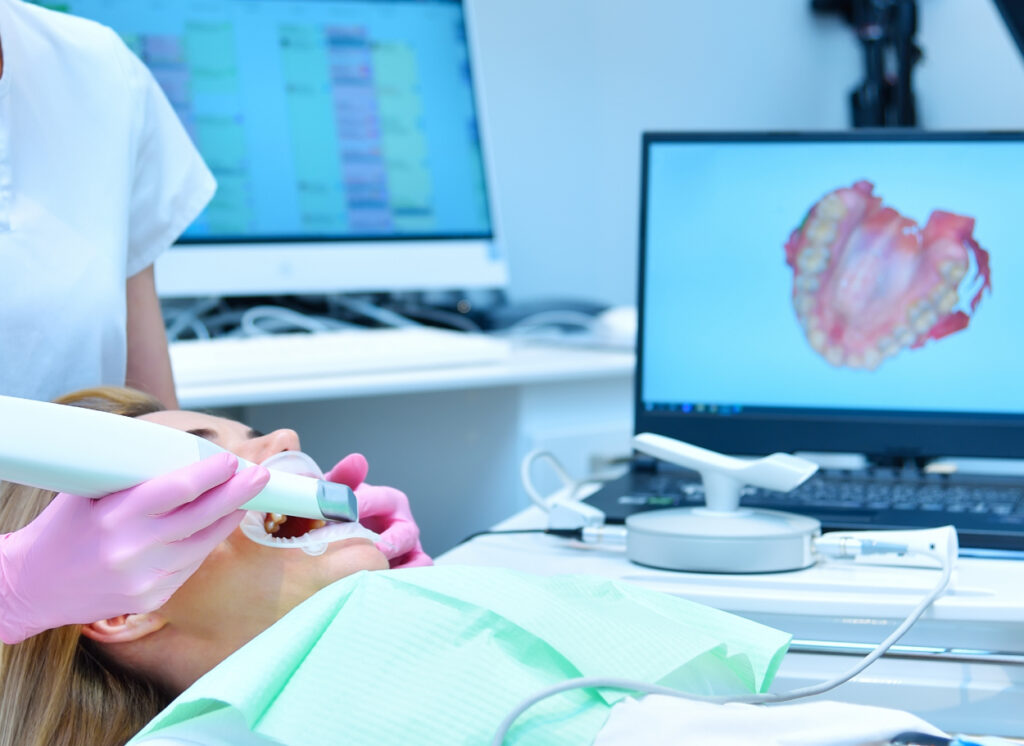
Once integration is confirmed, the restorative phase begins. This is the part most patients imagine from the start, because it is where the visible tooth is made. The dentist takes an impression, digitally or conventionally, and records the bite. Then the lab fabricates the custom crown that will attach to the implant.
There are two common ways the final restoration is secured. A screw-retained crown attaches directly with a small screw and can be retrievable if maintenance is needed later. A cement-retained crown uses dental cement over an abutment. Each method has clinical pros and cons. In many modern cases, screw-retained options are preferred when anatomy and angulation allow because retrievability is useful. But the best choice depends on implant position, esthetics, and access.
Color matching is straightforward in some areas and surprisingly nuanced in others. A single back tooth is usually easier to blend than a front central incisor under bright natural light. This is where experience and communication between the dental office and the lab make a visible difference. A patient who has very translucent enamel, irregular edges, or subtle shade variation may need a more customized approach than a basic stock shade can provide.
The full timeline, realistically
One of the first practical questions patients ask is, “How long will this take?” The honest answer is that uncomplicated cases may move along in a few months, while more involved cases can take six months, nine months, or longer. A site that needs extraction, healing, grafting, implant placement, integration, and final restoration will naturally take more time than a healthy healed site ready for straightforward placement.
A realistic sequence often looks like this:
- Consultation, imaging, and treatment planning
- Extraction and grafting if needed
- Implant placement once the site is ready
- Healing and bone integration
- Final impression and crown delivery
Even this sequence can vary. Some steps are combined, and some require a pause between appointments. Patients do best when they think in phases rather than fixed dates. The body sets part of the schedule.
Cost, value, and what patients should ask
Dental implants are an investment, and the fee reflects more than the implant fixture itself. The imaging, surgical planning, possible grafting, components, lab work, materials, and professional skill all contribute to the total. That is why prices can vary significantly from one case to another, even within the same region.
For anyone comparing options for Dental Implants Calabasas CA, it helps to ask what is included. A quoted fee may cover only implant placement, or it may include the final abutment and crown. It may or may not include extraction, bone grafting, sedation, or follow-up imaging. Comparing numbers without comparing scope often creates confusion.
There is also a long-term value question. The lowest upfront fee is not always the lowest total cost if it leads to poor positioning, aesthetic compromises, component failures, or repeated maintenance. At the same time, the highest fee is not automatically proof of superior treatment. Patients should look for clear communication, thoughtful planning, and a provider who explains risks and alternatives without sounding evasive or sales-driven.
Recovery at home, and the small habits that matter
Post-operative instructions may feel routine, but they influence healing more than many patients realize. Cold compresses, prescribed or recommended medications, gentle cleaning, and temporary food restrictions are not mere formalities. They are part of protecting the surgical site while the initial clot and soft tissues stabilize.
Smoking deserves specific mention because it remains one of the most consistent risk factors for complications. Nicotine affects blood flow and healing. Even patients who say they smoke “only socially” can undermine early recovery if they resume too quickly after surgery. The conversation should be frank. Implants can still work in some smokers, but the risks are not theoretical.
Oral hygiene matters just as much after the final crown is delivered. An implant does not get a cavity, but the surrounding tissues can become inflamed. Plaque around implants Oaks Dental Dental Implants Calabasas CA can lead to peri-implant mucositis and, if neglected, more serious bone loss around the implant. A patient who assumes an implant is maintenance-free is setting up preventable problems.
When things do not go exactly as planned
Most implant cases proceed smoothly, but good dentistry includes discussing the exceptions. Sometimes a graft does not mature as hoped. Sometimes an implant does not integrate and has to be removed, allowed to heal, and replaced later. Sometimes the implant survives but the aesthetic result needs refinement because the gum contour was not ideal. These situations are frustrating, but they are part of honest risk disclosure.
What matters is how they are managed. Experienced clinicians do not treat complications as personal embarrassment to hide. They identify them early, explain the options, and revise the plan in a biologically sensible way. Patients should not expect perfection from every case. They should expect professionalism, transparency, and sound judgment.
One practical example involves nighttime grinding. A patient may have a beautifully integrated implant and still chip the final porcelain crown within the first year if heavy bruxism was not controlled. In that scenario, the implant did not fail, but the treatment plan was incomplete without protective measures such as a night guard. This is why the best implant care considers the whole mouth, not just the empty space.
Choosing the right provider in Calabasas
Calabasas patients often have access to multiple dental offices offering implant services, which is both helpful and a little overwhelming. The strongest providers are usually not the ones making the boldest promises. They are the ones who evaluate thoroughly, explain trade-offs clearly, and show comfort with both straightforward and more complex planning.
Some implant cases are managed start to finish by one general dentist with appropriate training and experience. Others involve a team, such as an oral surgeon or periodontist for the surgical phase and a restorative dentist for the final crown. Neither model is inherently better. What matters is coordination, case selection, and communication.
A good consultation should leave the patient understanding not just the ideal plan, but also the alternatives. If a bridge or removable option is more realistic because of medical issues, financial constraints, or anatomy, that should be discussed without pressure. The right treatment is the one that fits the patient’s health, goals, and capacity to maintain it.
The moment the implant stops feeling like an implant
There is a point, usually sometime after the final crown is placed and the patient has eaten, spoken, and smiled with it for a while, when the treatment fades into the background. That is the real benchmark. Not just that the X-ray looks good or that the crown matches under office lighting, but that daily life feels normal again.
People often expect a dramatic reveal. More often, the best result is quieter than that. It is biting into lunch without thinking about a gap. It is laughing in a photo without angling the face away. It is no longer compensating, hiding, or worrying. A successful implant does not call attention to itself. It restores what was missing and lets the patient move on.
That is the step-by-step journey in practical terms. Assessment, planning, site preparation when needed, precise placement, patient healing, and thoughtful restoration. For those considering Dental Implants Calabasas CA, understanding that sequence makes the whole process less mysterious and far easier to navigate with confidence.
Oaks Dental
5000 Parkway Calabasas, Suite 308
Calabasas, CA 91302, United States
Phone: +1 (818) 412-8349
FAQ About Dental Implants Calabasas CA
How much does a dental implant cost in California?
Costs vary with the number of teeth replaced, restoration type, imaging, and any extractions or bone grafting. Request an itemized estimate after an examination; a single advertised price may not include every treatment stage.
Can people with autoimmune disease get dental implants?
Some people may qualify, but the condition, medications, oral health, and healing risks require individual assessment. Share your medical history with your dentist, who may coordinate with your treating physician.
Can you have dental implants if you have osteopenia?
Osteopenia does not by itself establish whether implants are suitable. Your dentist must evaluate jawbone support and review bone-related medications and other risks before recommending treatment.
Corrections
Spot something wrong? Send it to the desk and it gets fixed in the open.